
- Home
- Fiber Cable & Tools
- Outdoor Cable
- Aerial Self-supporting Single Tube Cable – ASU Cable
Aerial Self-supporting Single Tube Cable - ASU Cable
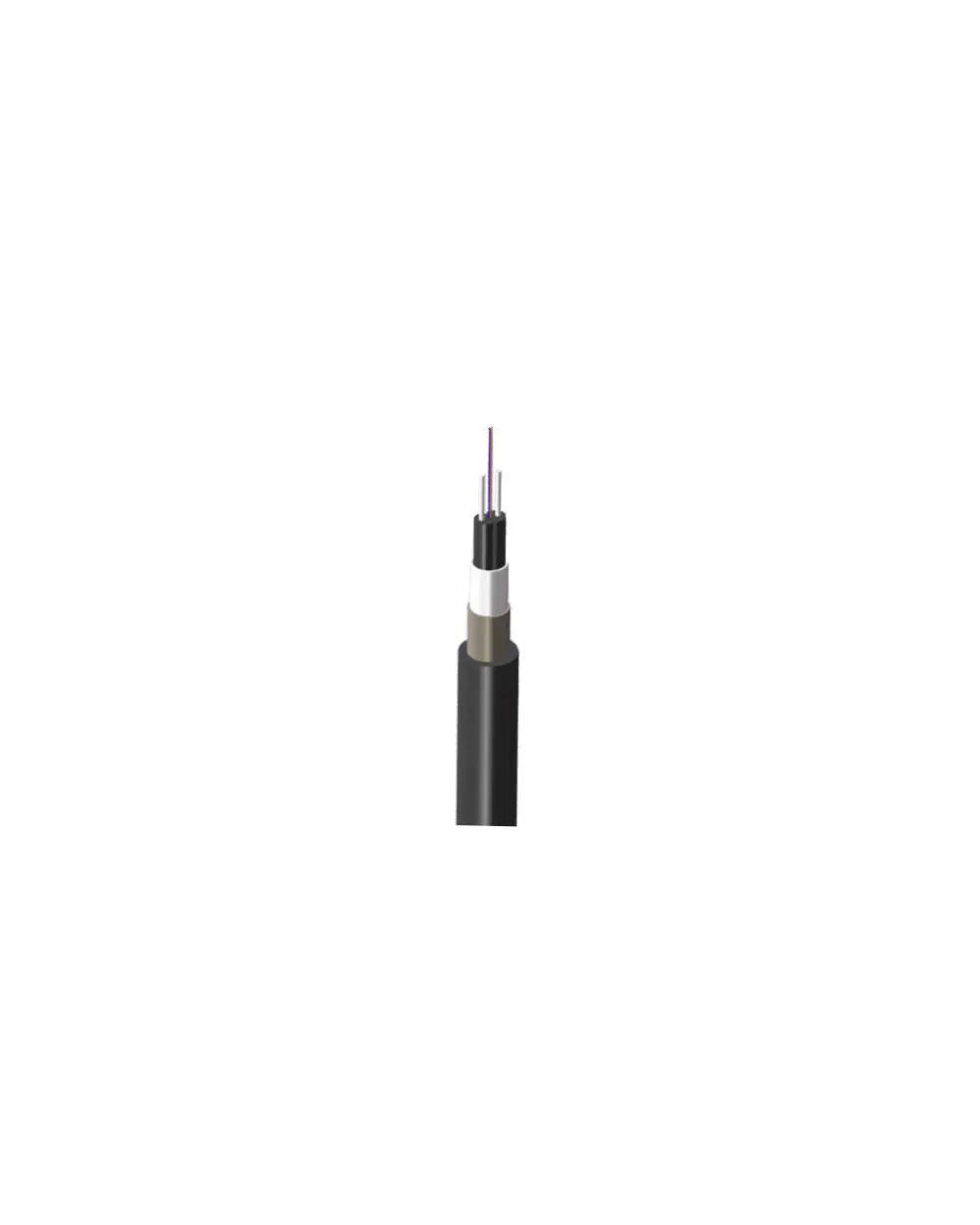
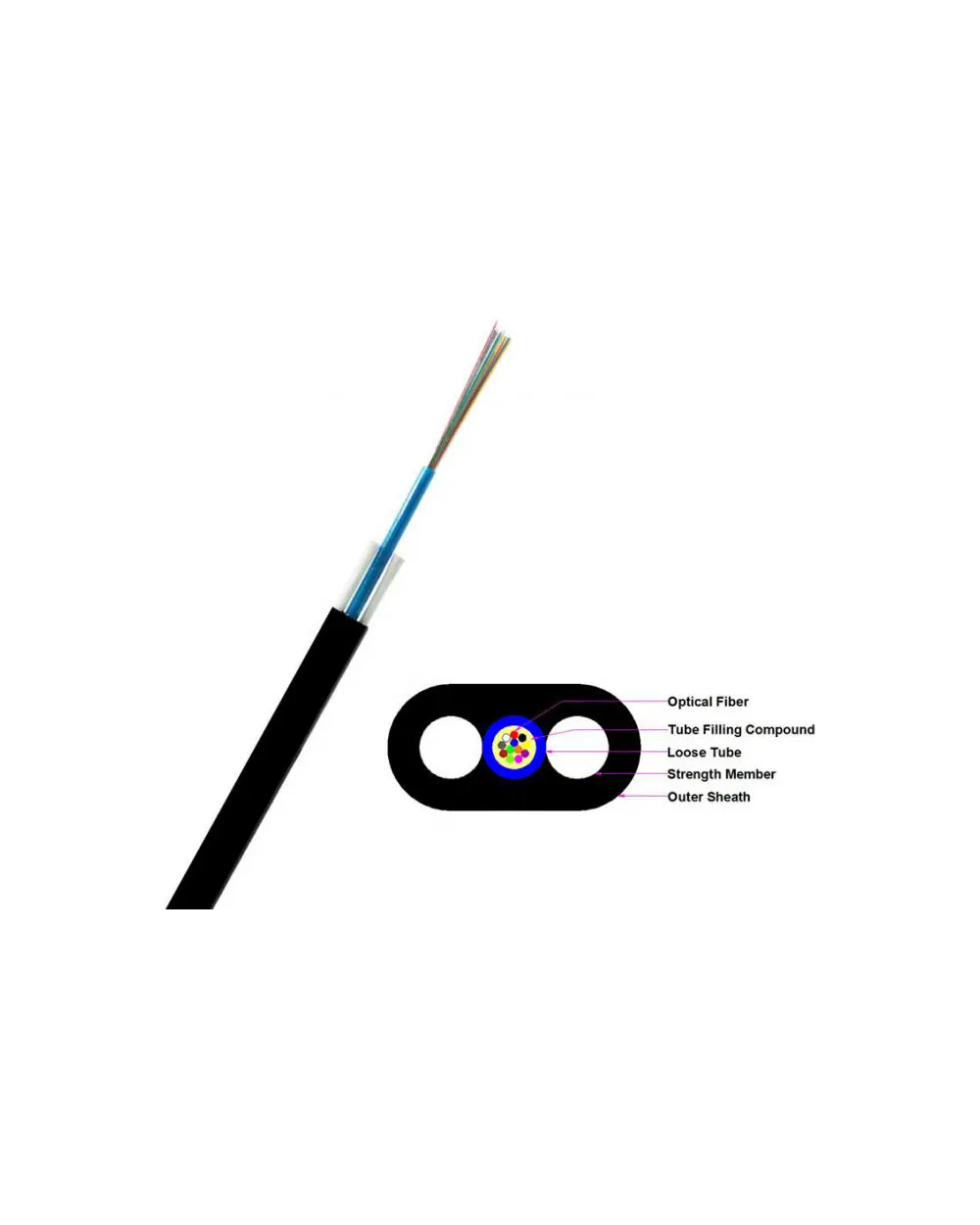
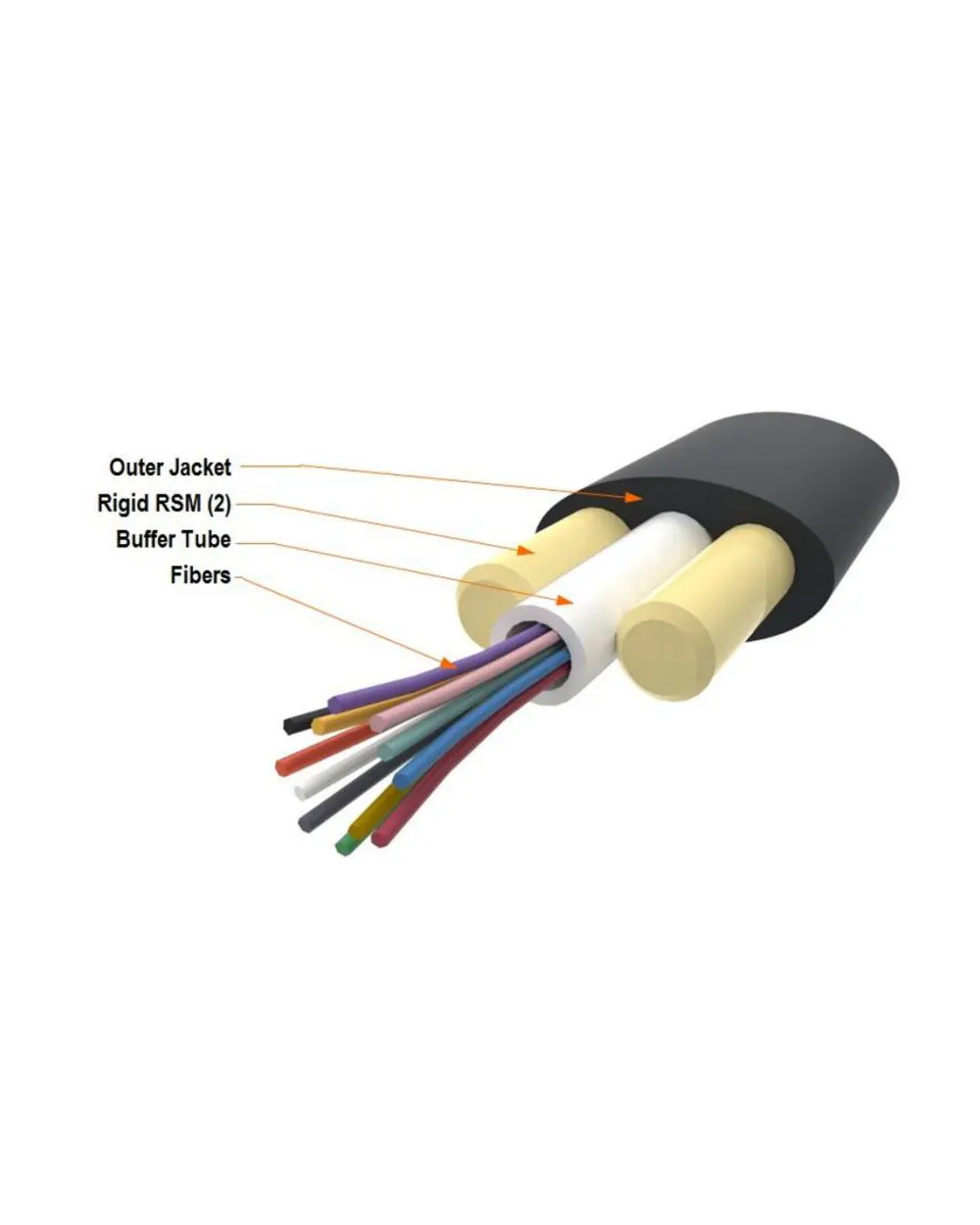
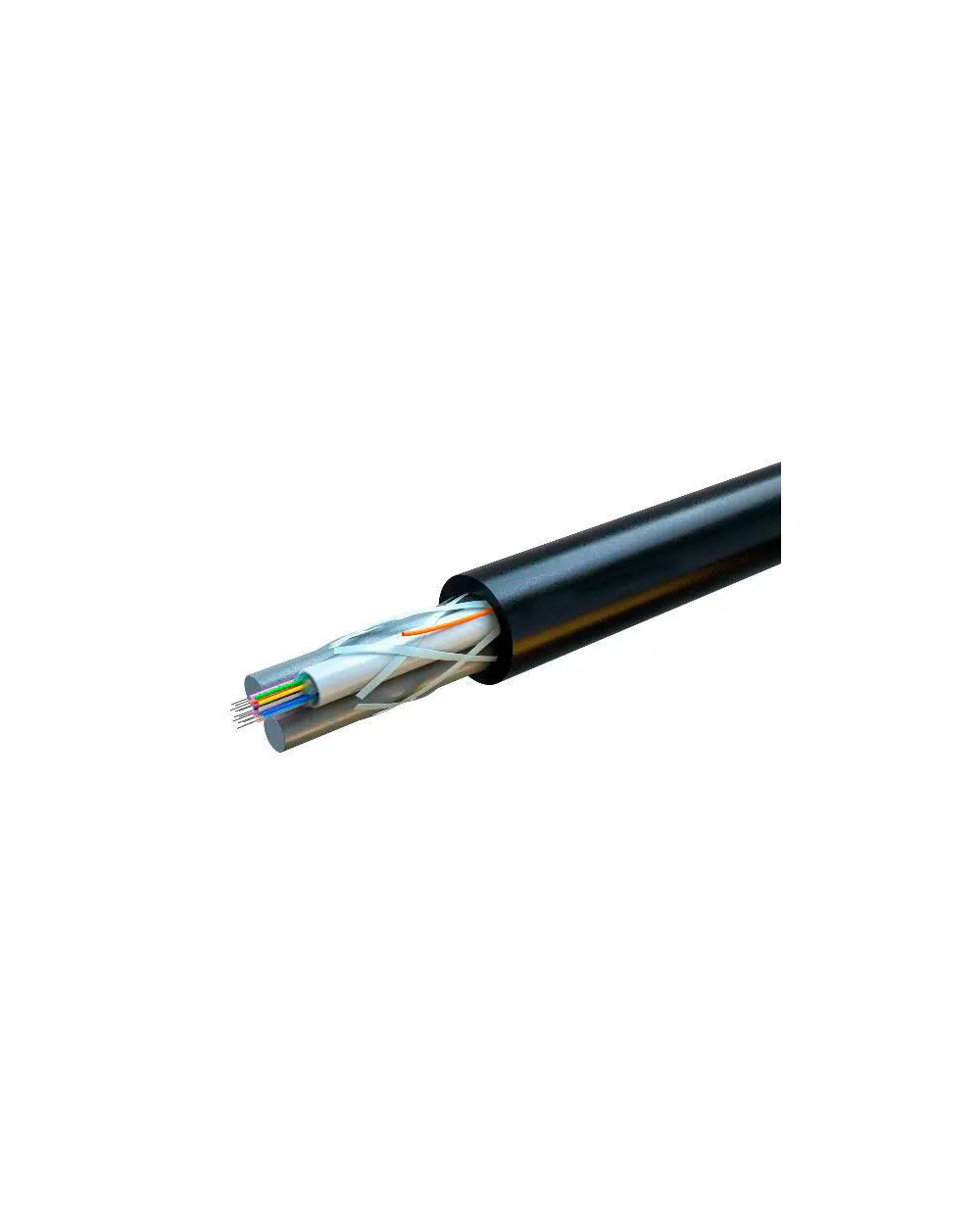
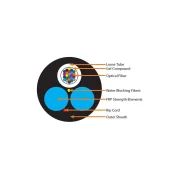
The 2~12 Fibers ASU Cable(AS80 and AS120) is a Self-Supported Optical Cable, It was developed to provide the connection between devices, being indicated for installation in urban and rural networks, in spans of 80m or 120m. Because it is self-supported and totally dielectric, it has FRP strength member as a traction element, thus avoiding electrical discharges in the networks. It is easy to handle and install, eliminating the need to use strings or grounding.
Extra Description
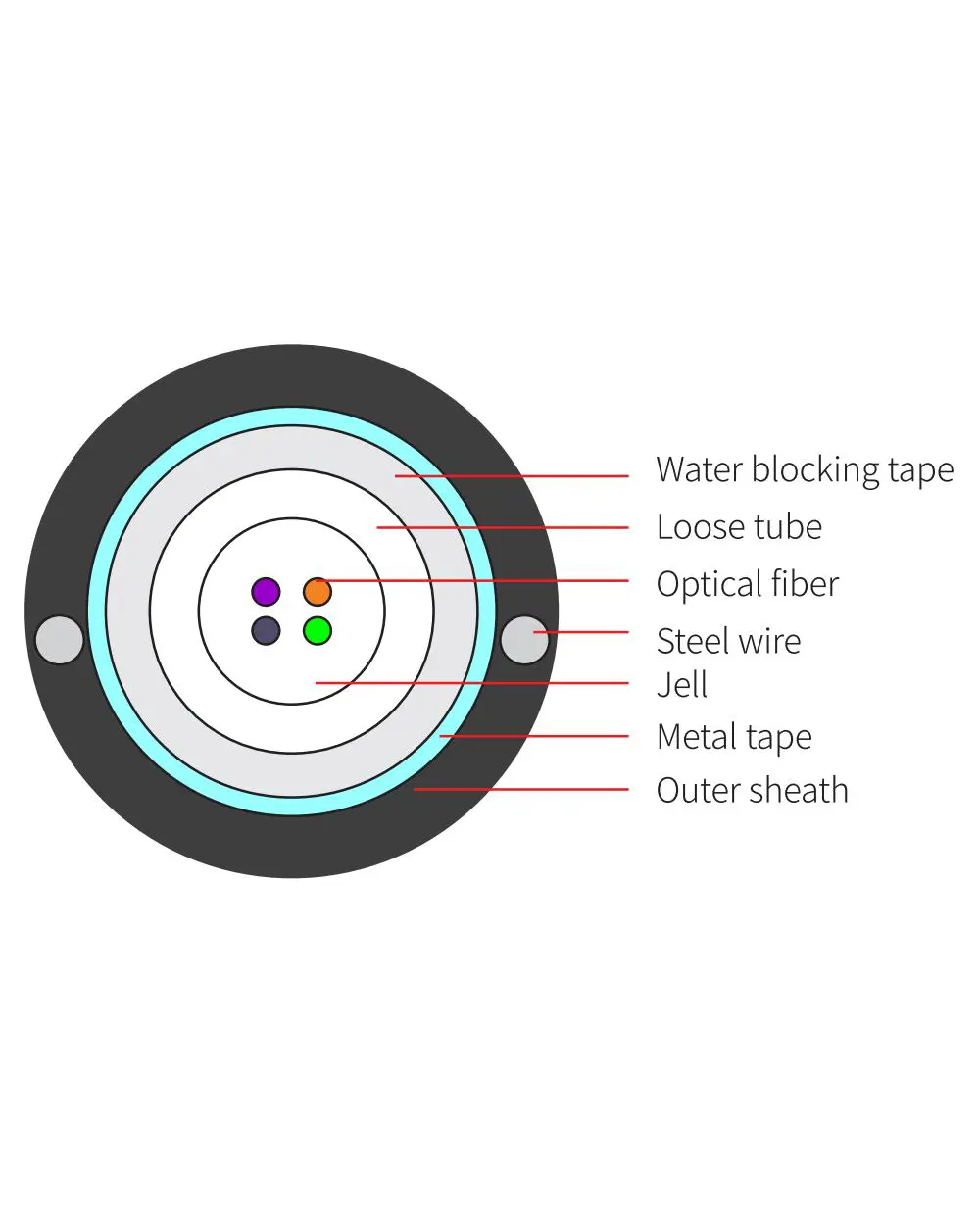
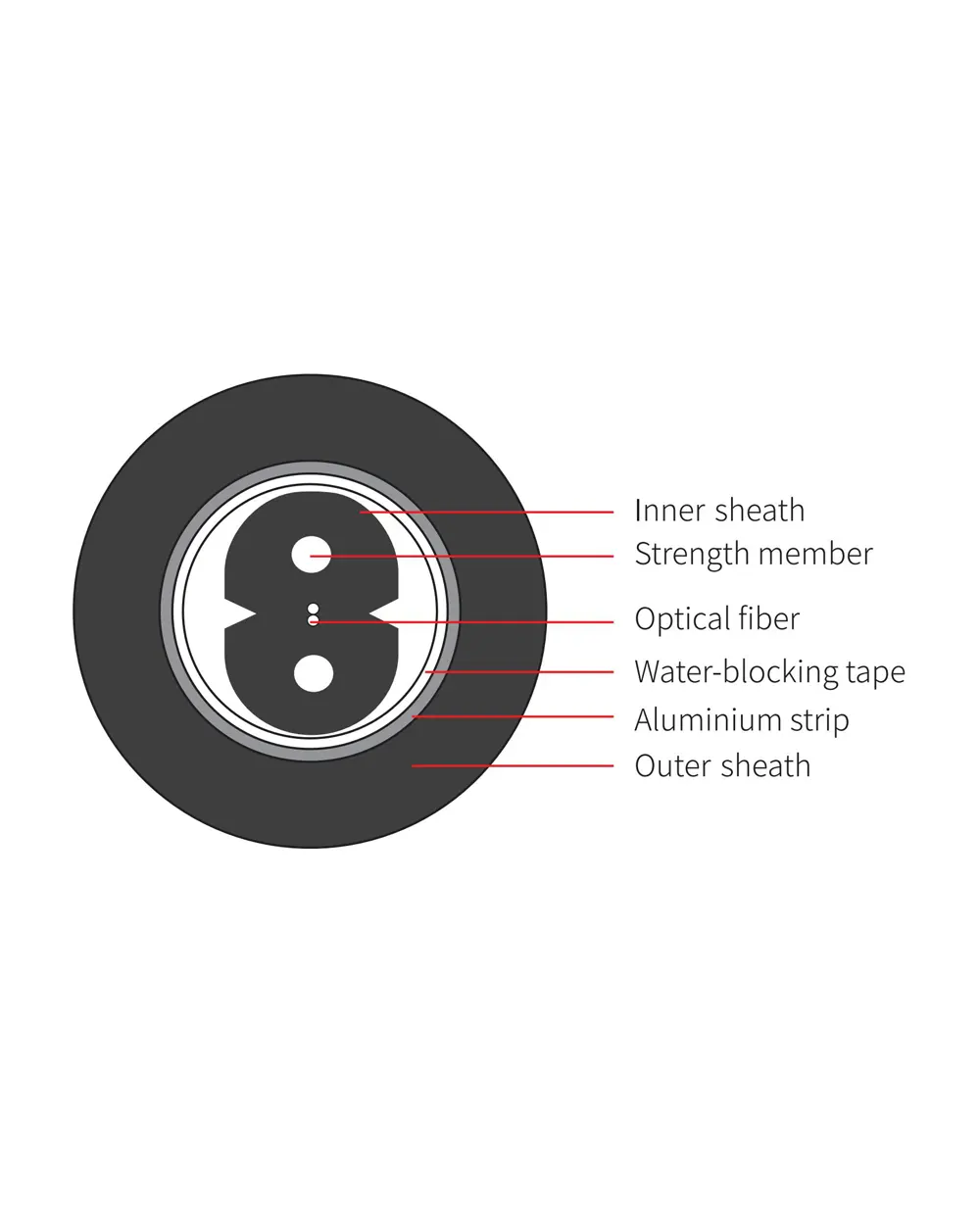
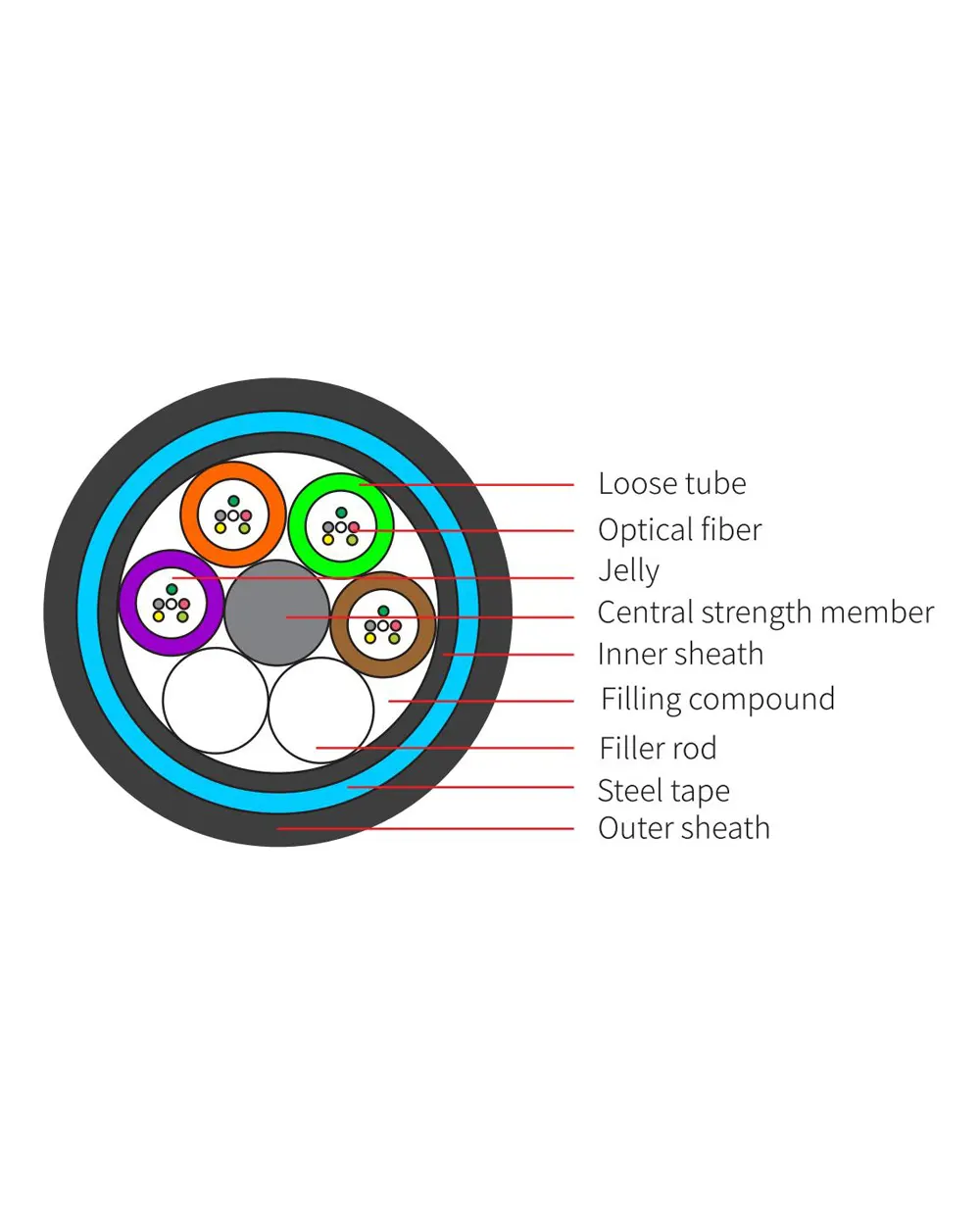
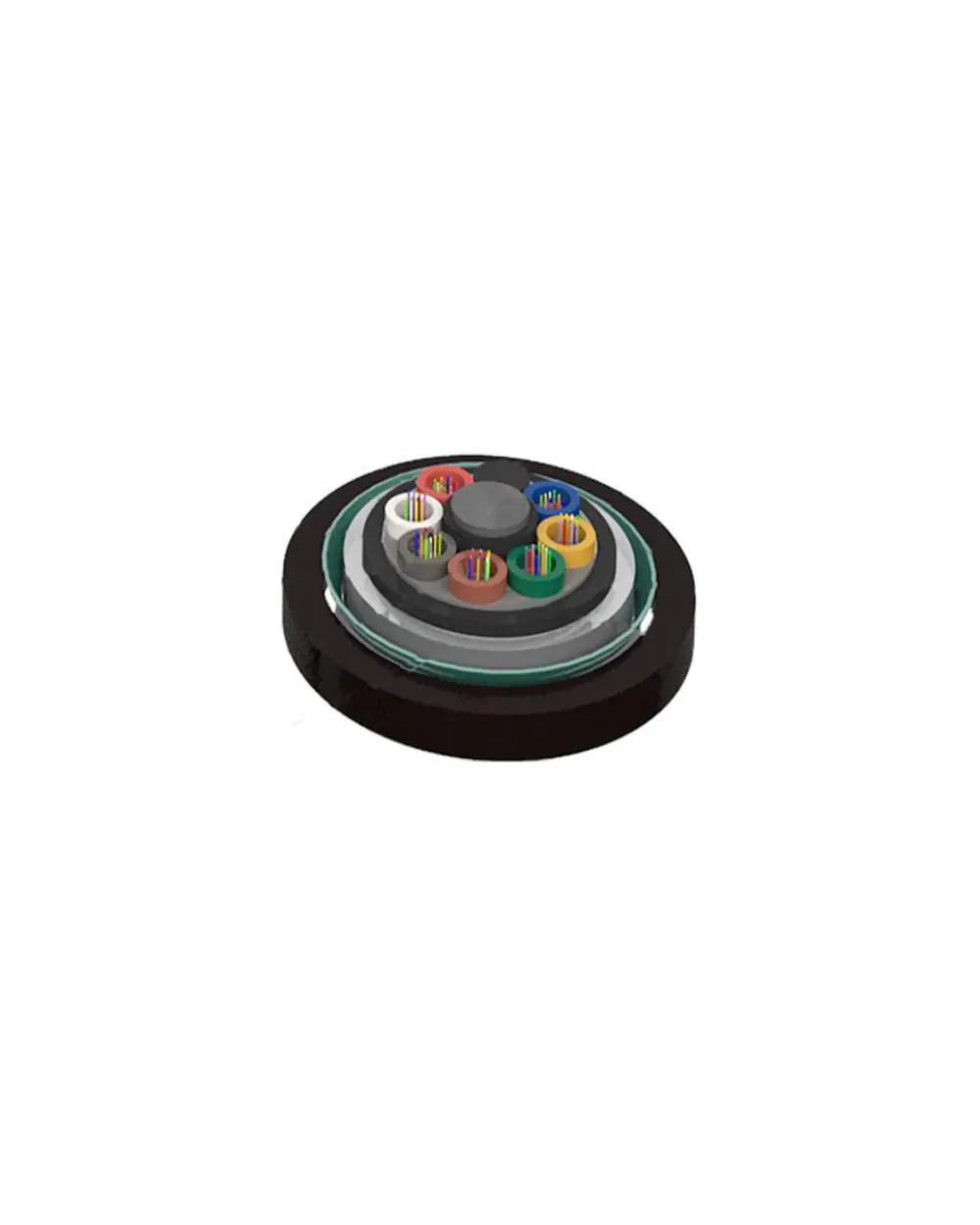
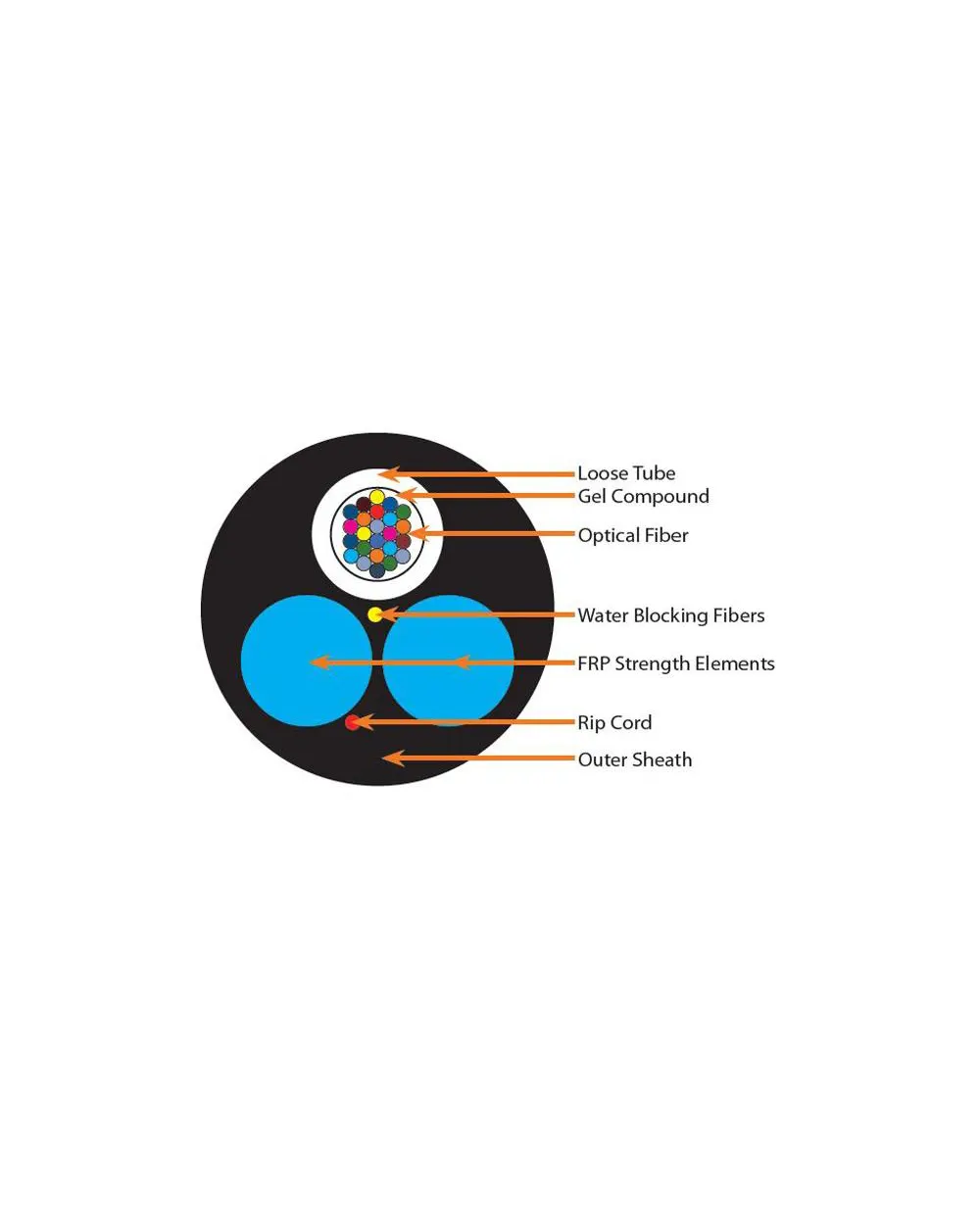
After the cable core is filled with filling compound. It is covered with thin PE (polyethylene) inner sheath. After stranded layer of armaid yarns are applied over the inner sheath as strength member, the cable is completed with PE or AT (anti-tracking) outer sheath.
OPTICAL FIBER CABLES
- 1-12 cores colored fiber
- Non-metallic self-supporting member
- Good-performance sheath materials
APPLICATION
- Outdoor cabling
- Suitable for aerial dropping
FEATURES
- Compact structure
- Able to be terminated onsite
- All dielectric structure, resistant to electromagnetic interference
- Easy for stripping, splicing, simplified installation and maintenance
- Aerial Self-supporting Single Tube Cable - ASU Cable Data Sheet
Item Code Information
Optical Characteristics:
| Attenuation | 1310nm | ≤0.33 | [dB/km] | |
| 1383nm(after H2-aging) | ≤0.31 | [dB/km] | ||
| 1550nm | ≤0.19 | [dB/km] | ||
| 1625nm | ≤0.23 | [dB/km] | ||
| Attenuation vs. Wavelength Max. Α difference | 1285-1330nm in reference to 1310nm | ≤0.03 | [dB/km] | |
| 1525-1575nm, in reference to 1550nm | ≤0.02 | [dB/km] | ||
| Dispersion coefficient | 1285-1340nm | -3.5 to 3.5 | [ps/(nm·km)] | |
| 1550nm | ≤18 | [ps/(nm·km)] | ||
| 1625nm | ≤22 | [ps/(nm·km)] | ||
| Zero Dispersion Wavelength(λ0) | - | 1300-1324 | [nm] | |
| Zero Dispersion Slope(S0) | - | ≤0.092 | [ps/(nm2·km)] | |
| Typical Value | - | 0.086 | [ps/(nm2·km)] | |
| PMD | Maximum Individual Fibre | - | ≤0.1 | [ps/√km] |
| Link Design Value (M=20, Q=0.01%) | - | ≤0.06 | [ps/√km] | |
| Typical Value | - | 0.04 | [ps/√km] | |
| Cable Cutoff Wavelength (λCC) | - | ≤1260 | [nm] | |
| Mode Field Diameter(MFD) | 1310nm | 8.9-9.57 | [nm] | |
| 1550nm | 9.8-10.8 | [nm] | ||
| Mode Field Diameter Concentricity Error | - | ≤0.5 | [μm] | |
| Effective Group Index of Refraction(Neff ) | 1310nm | 1.466 | - | |
| 1550nm | 1.467 | - | ||
| Point Discontinuities | 1310nm | ≤0.05 | [dB] | |
| 1550nm | ≤0.05 | [dB] | ||
Geometrical Characteristics:
| Cladding Diameter | - | 125.0±0.7 | [μm] |
| Cladding Non-Circularity | - | ≤1.0 | [%] |
| Coating Diameter | - | 240-250 | [μm] |
| Coating-Cladding Concentricity Error | - | ≤12.0 | [μm] |
| Environmental Characteristics | 1310nm, 1550nm & 1625nm | ||
| Temperature Dependence Induced Attenuation | -60℃ to +85℃ | ≤0.05 | [dB/km] |
| Temperature-Humidity Cycling Induced Attenuation | -10°C to +85°C, 98% RH | ≤0.05 | [dB/km] |
| Water Immersion Dependence Induced Attenuation | 23°C,for 30 days | ≤0.05 | [dB/km] |
| Damp Heat Dependence Induced Attenuation | 85°C and 85% RH,for 30 days | ≤0.05 | [dB/km] |
| Dry Heat Aging | 85℃, for 30 days | ≤0.05 | [dB/km] |
| Typical Value | - | [dB/km] | |
Cable Parameters:
| Items | PERFORMANCE | ||
| Material | Fiber type | ITU-T G.652/657 or as per request | |
| Loose tube | PBT (polybutylene terephthalate) | ||
| Strength member | FRP (Fiber Reinforce Plastic) | ||
| Outer jacket | HDPE (Poly Ethylene) | ||
| Core | 1 – 12 cores | ||
| Span | 80 m | 120 m | |
| Diameter | Strength member | Φ2.0 ± 0. 1 mm | Φ2.5 ± 0. 1 mm |
| Loose tube | Φ2.1 ± 0.2 mm | Φ2.5 ± 0.2 mm | |
| Cable | Φ6.8 ± 0.3 mm | Φ8.0 ± 0.3 mm | |
| Cable weight | 44 kg/km | 63 kg/km | |
| Max installation tension | 850 N | 1500 N 2000N | |
| *: Max wind speed: 33 m/s, no icing | |||
| Tensile strength | Load 1500N (2000N) for 10 minutes Variation of attenuation: ≤0.1dB Fibers strain: ≤0.33% @1550nm | ||
| Crush resistance | Load 2000N for 3 minutes Variation of attenuation≤0.1dB 2200 N/100mm (IEC 60794-1-21 E3) -No fiber break, no sheath damage | ||
| Impact Test | Energy=1 J on surface of 12.5mm radius, 3 times Variation of attenuation≤0.1dB | ||
| Minimum bending radius | Dynamic: 20·D + Static: 10·D +: D = Cable diameter | ||
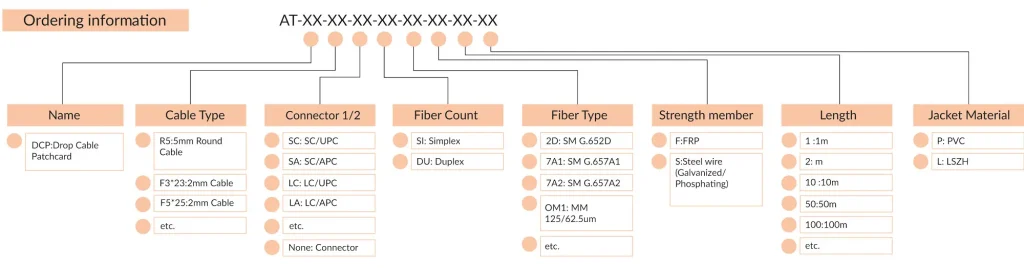
Ordering information